Synopsis
The story
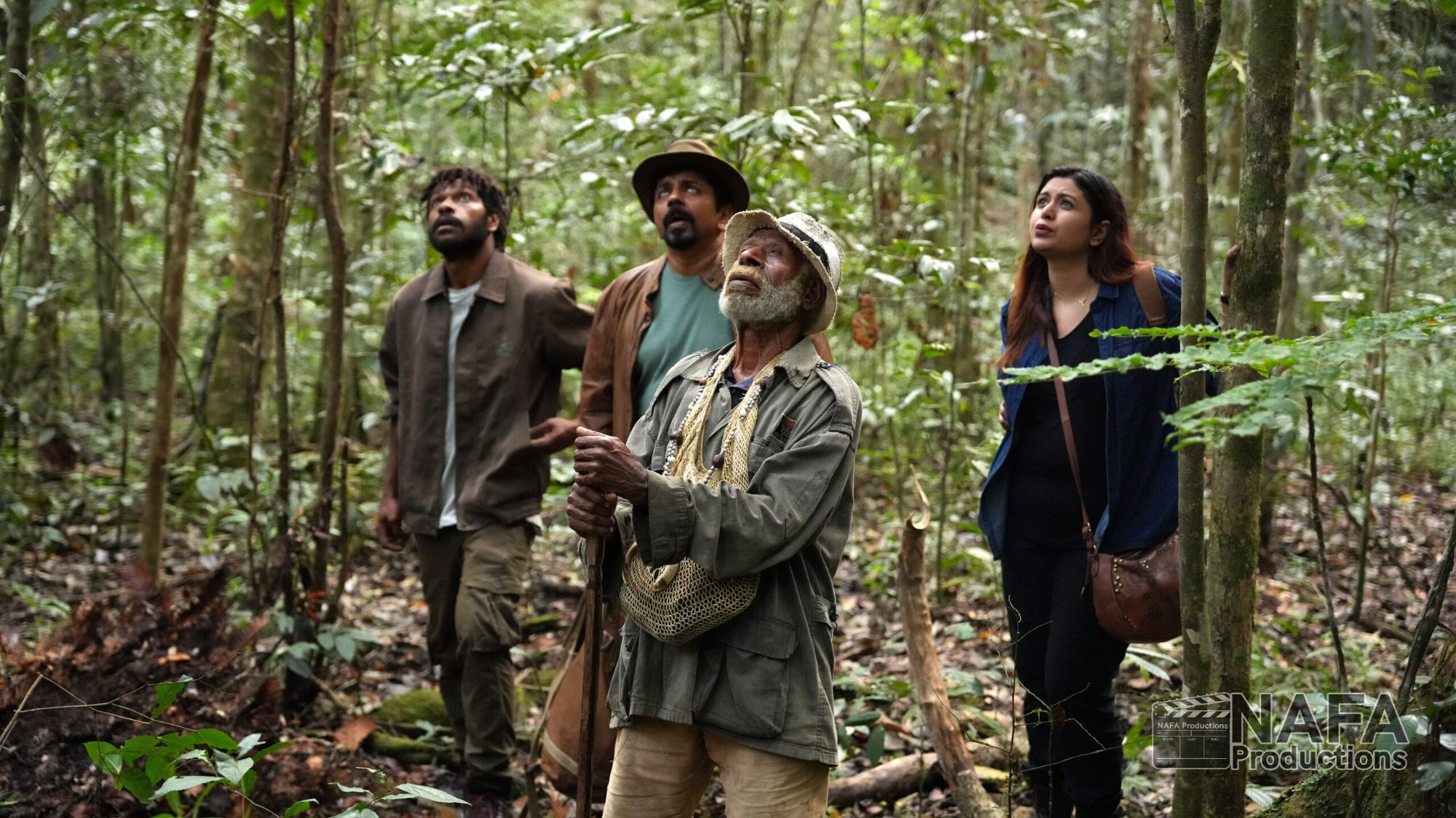
Historians Romila Chatterjee (Ritabhari Chakraborty) and Anand Kunhiraman (Prakash Bare) travel from India to Port Moresby to write a book about the Indian soldiers who fought Japan alongside British and Australian forces in the Second World War.
With their driver Sike Yuants (John Sike) they meet Papa Buka (Sine Boboro), an 80-year-old veteran of the Kokoda Track campaign. He becomes their guide, leading them from the city’s museums and war cemetery into the villages of the Sogeri Plateau and the rainforest beyond.
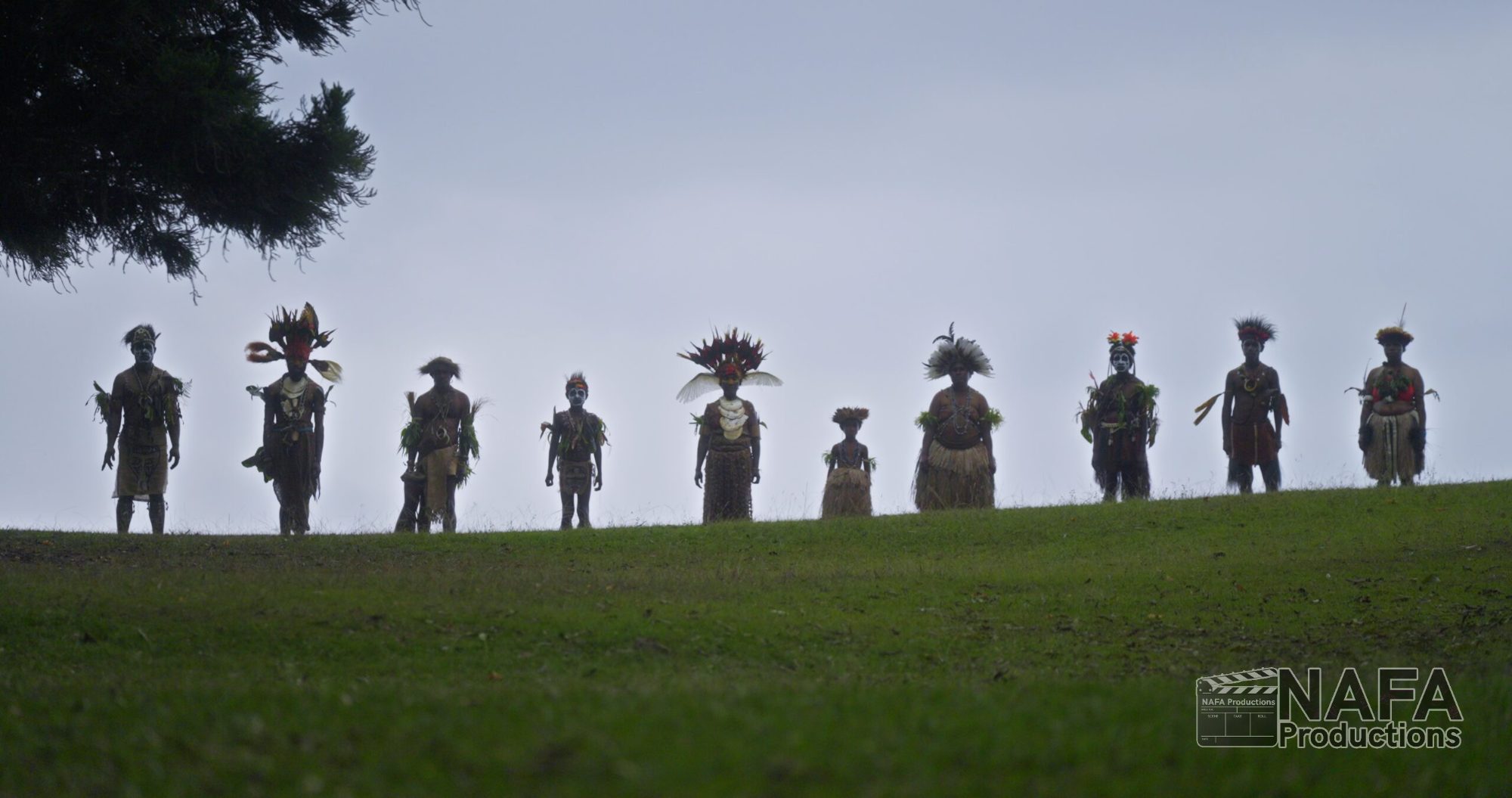
Along the way they record the memories of old soldiers and village elders, and Papa Buka shows them the songs, dances and land of his people. The history they came to write becomes something far more personal.
Filmed in Papua New Guinea
100% shot on location in Papua New Guinea
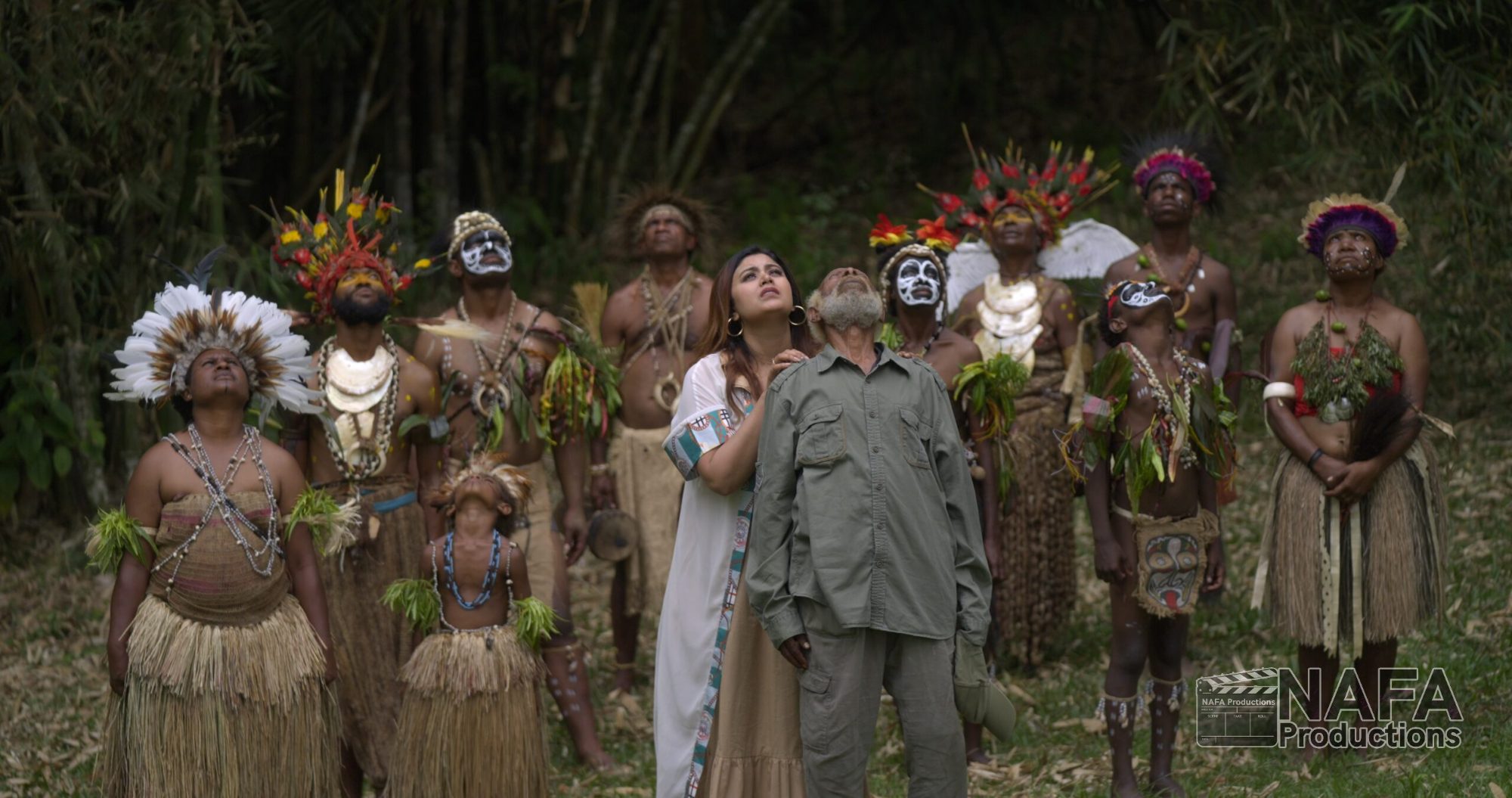
Every frame of Papa Buka was filmed in Papua New Guinea, in 2024. About a fifth of the shoot took place in Port Moresby and the rest outside the city, much of it on Koiari land at Sogeri with the Koiari people themselves.
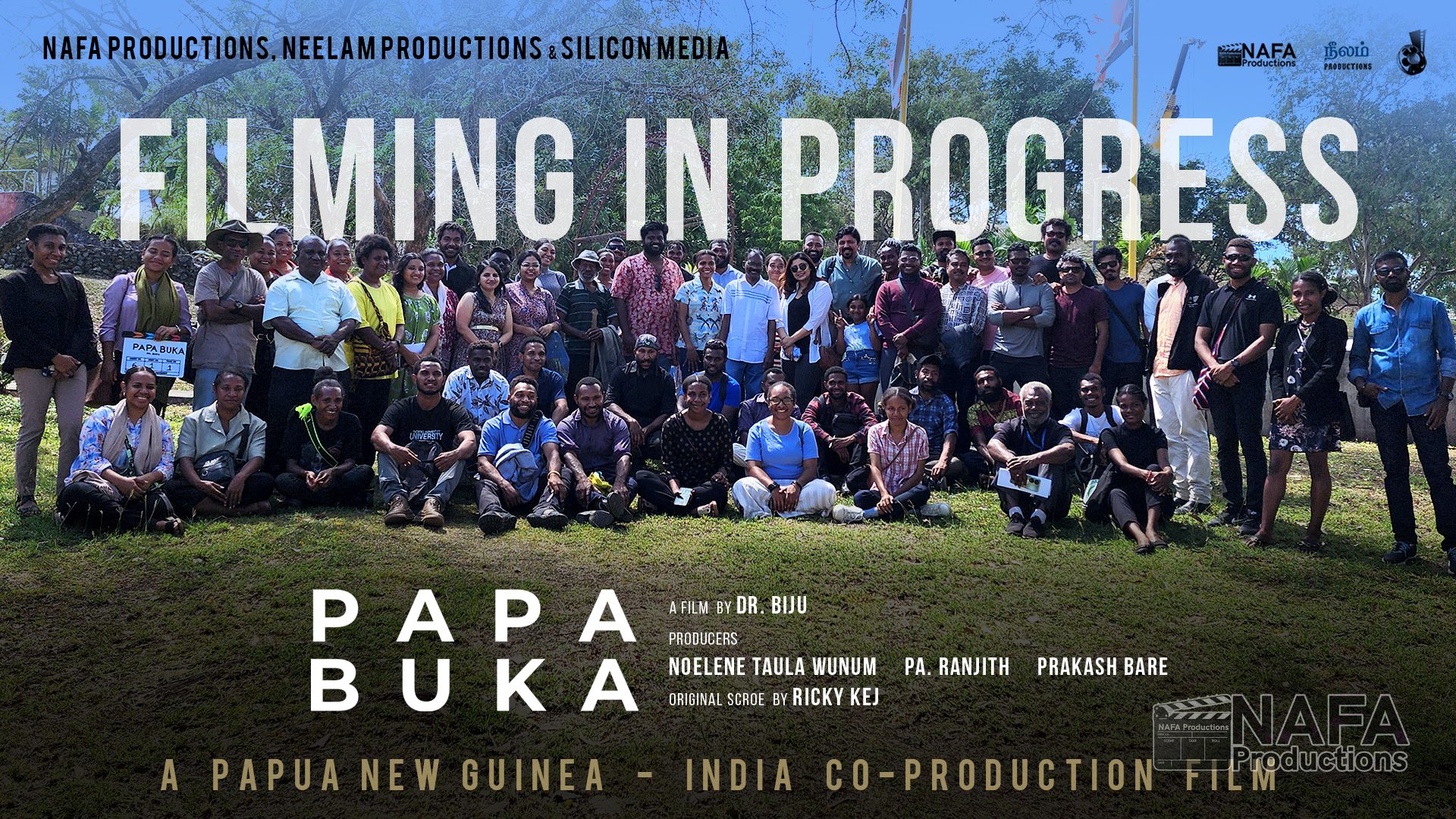
The film is a Papua New Guinean production, led by NAFA Productions in Port Moresby. Except for the two lead actors and ten heads of department from India, the cast and crew all live in Papua New Guinea, and most of them were working on a film for the first time.
Port Moresby
National Museum and Art Gallery, National Library and Archives, Pacific Adventist University
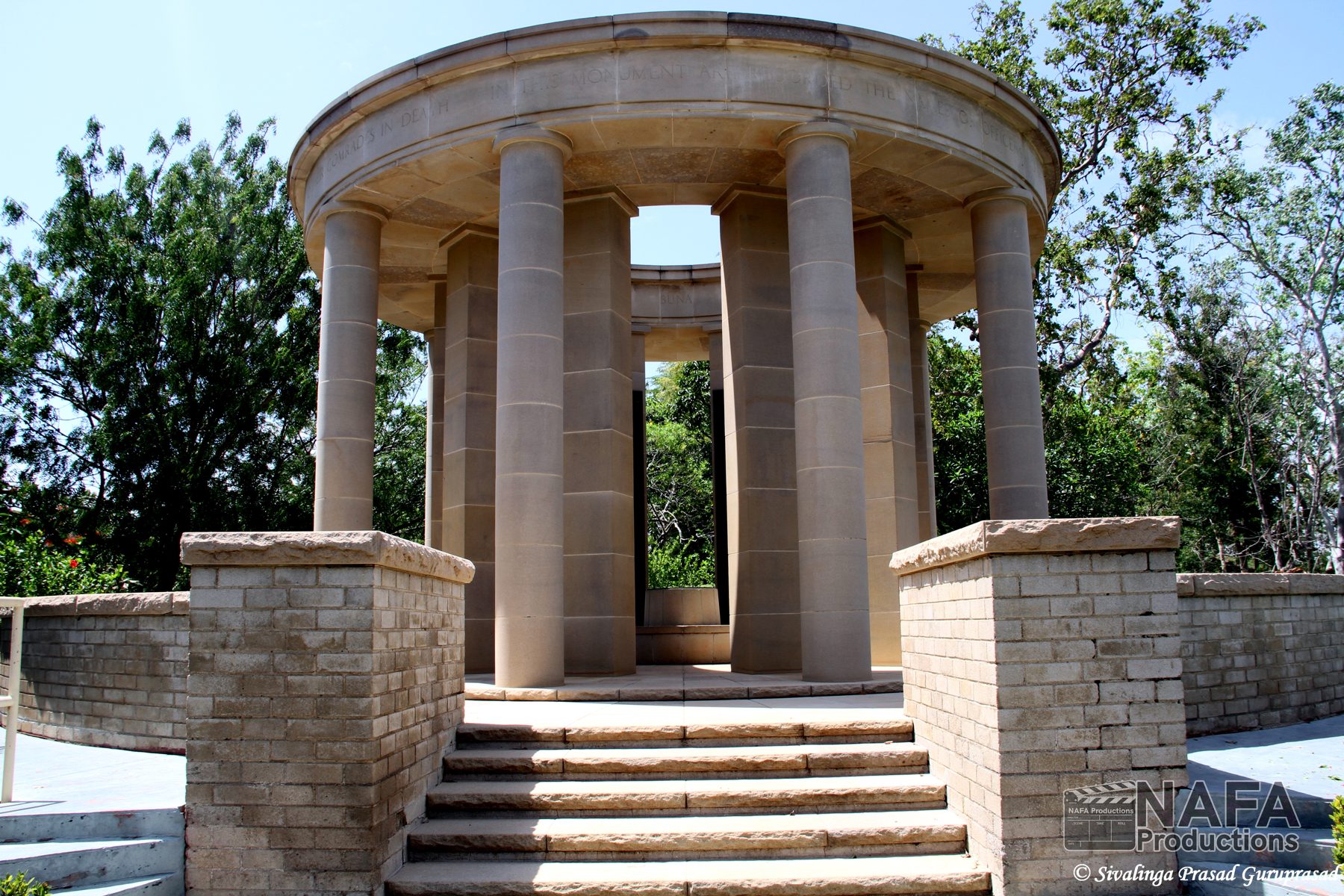
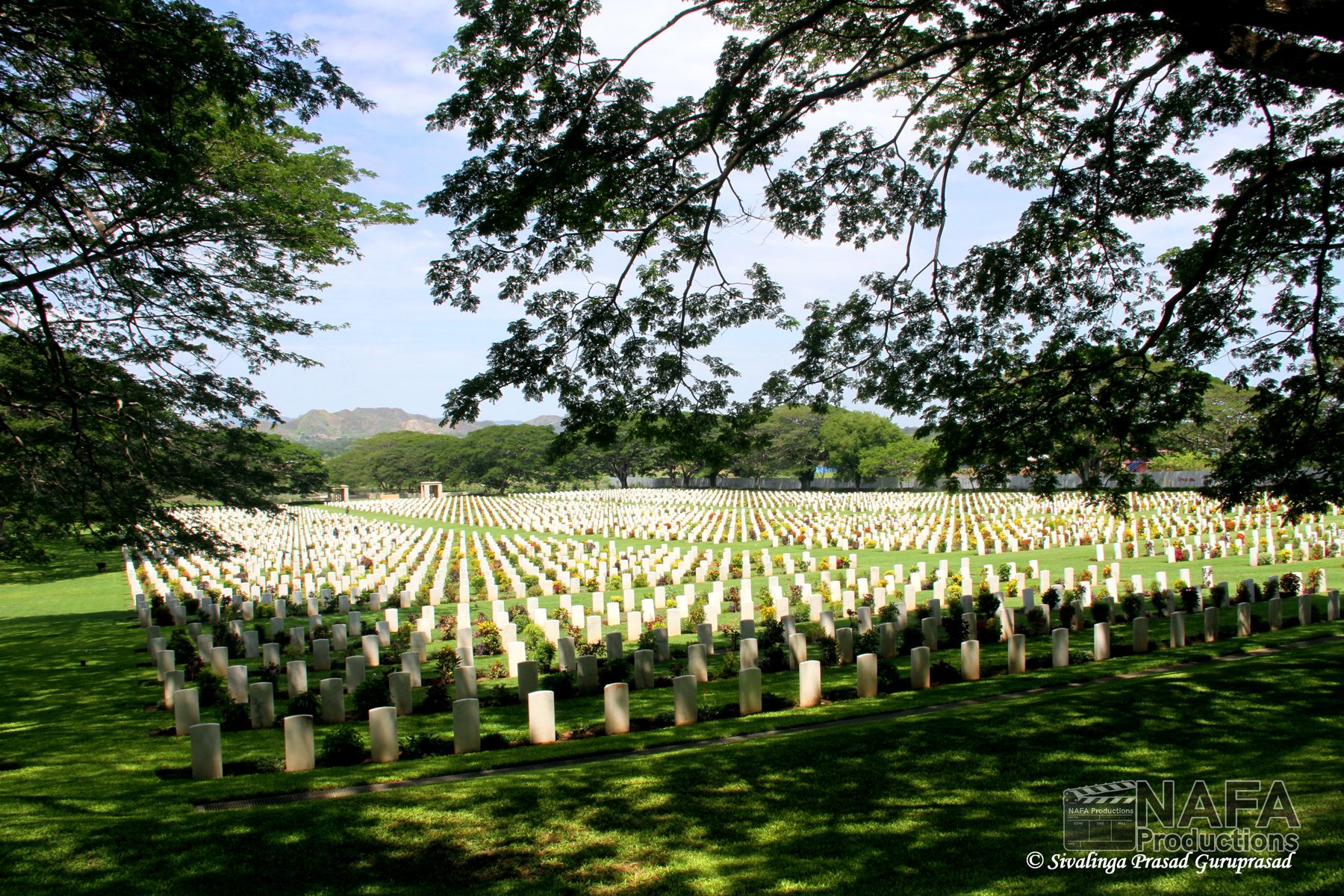
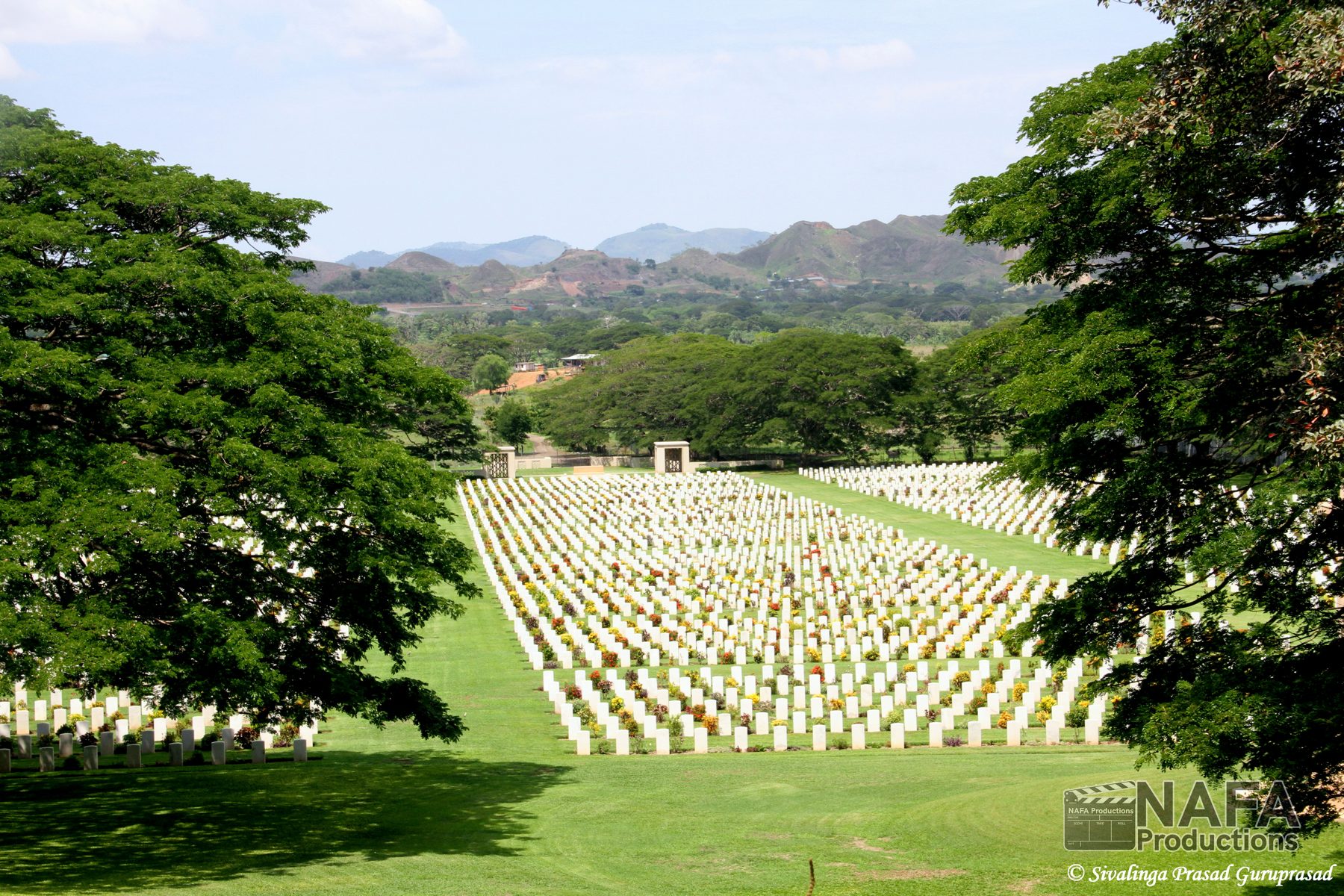
Bomana War Cemetery
Commonwealth war cemetery outside Port Moresby, where the cemetery scenes were filmed
Sogeri Plateau
Koiari land in Central Province, home of Sine Boboro and the film’s village scenes
Varirata National Park
Rainforest above Port Moresby, used for the jungle journeys
The history behind the film
India and Papua New Guinea, bound by the Second World War
When Malaya, Singapore and Hong Kong fell to Japan in 1941–42, tens of thousands of soldiers of the Indian Army were taken prisoner. From 1943, thousands of them were shipped as forced labour to New Guinea, New Britain and Bougainville, to build airfields, roads and defences for the Japanese.
About 5,000 were sent to Rabaul and about 3,000 to Wewak. At Wewak, men who refused to join the pro-Japanese Indian National Army were worked in swamp camps with little food or medicine. Hundreds died in the first months alone. When Japanese forces retreated in 1944, many of the survivors were marched west towards Hollandia.
Australian troops of the 6th Division began finding Indian prisoners near Wewak in December 1944. By the war’s end only about 200 of the Wewak group were alive. One of them, Jemadar Chint Singh of the Frontier Force Regiment, became a key witness at the war crimes trials and kept a record of what happened to his men.
Their story is barely told in the official histories of India, Britain or Australia. Papa Buka brings it back to the places where it happened.
3,000
Indian prisoners of war sent to the labour camps around Wewak in 1943
~200
of them found alive when Australian troops reached them in 1944–45
~6,000
Indians recovered across Australian New Guinea by the end of the war, most at Rabaul
337
Indian soldiers of the Second World War named in CWGC records in Papua New Guinea
What the Commonwealth War Graves Commission records show
- Lae War Cemetery has an Indian section for prisoners of war captured in Malaya and Hong Kong. Most of them lie in unnamed graves, recovered between But airfield and Wewak where they died in labour parties. Only four are named.
- Rabaul (Bita Paka) War Cemetery holds a large number of Indian Army graves recovered by Australian forces in New Britain and New Ireland in 1945. CWGC names 333 Indian soldiers there.
- Port Moresby (Bomana) War Cemetery is where the film’s war cemetery scenes were shot, among the graves of Allied soldiers who died in the Papuan campaigns.
Sources: Commonwealth War Graves Commission records for Lae and Rabaul (Bita Paka) war cemeteries; Dr Peter Stanley, “Great in adversity”: Indian prisoners of war in New Guinea, Australian War Memorial; Department of Veterans’ Affairs (Australia), ANZAC Portal; Phillip Bradley, Hell’s Battlefield (2012).